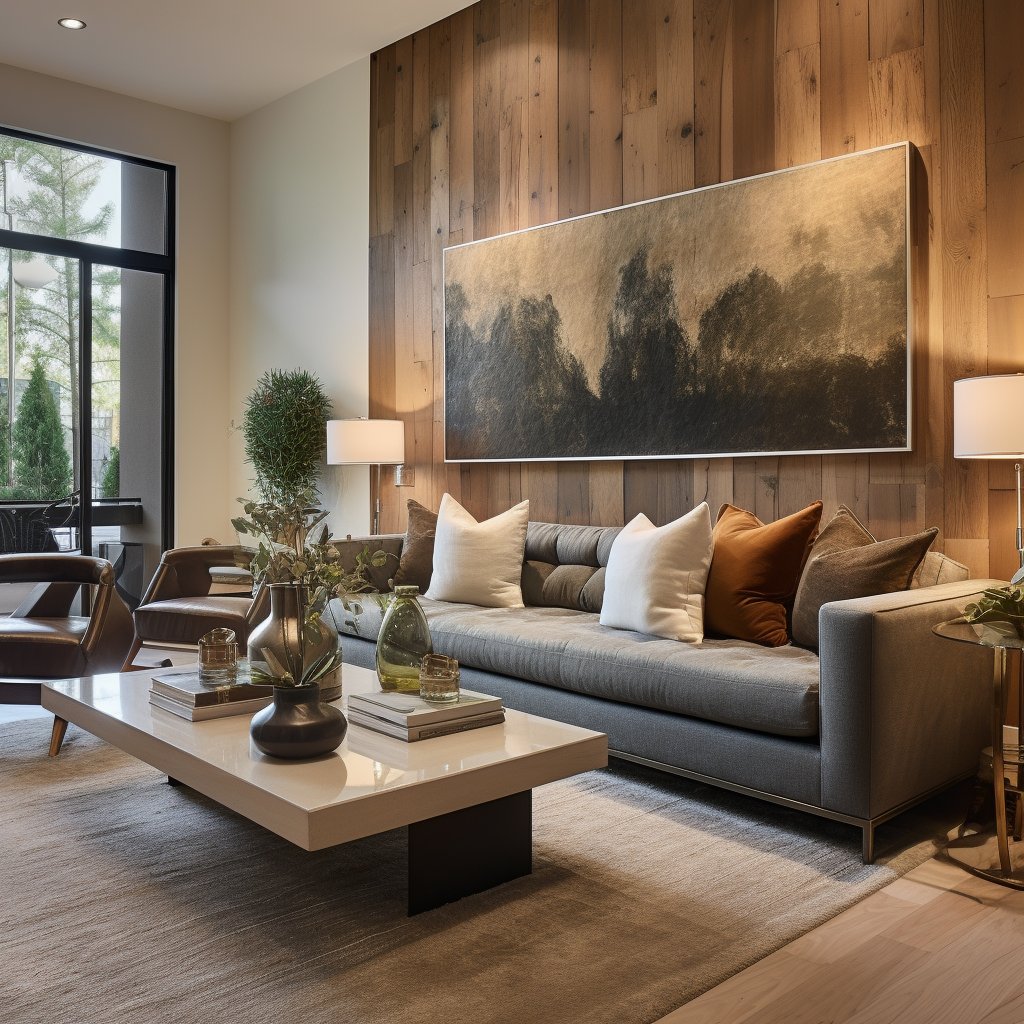
In 2026, ultra-high-net-worth (UHNW) buyers in New York City and Los Angeles are no longer impressed by square footage alone. Prestige addresses in Manhattan, glass-wrapped penthouses in Beverly Hills, ocean-facing estates in Malibu, and ultra-exclusive condos in Tribeca must now deliver something far more nuanced: a fully integrated luxury ecosystem.
Today’s wealthiest buyers want properties that combine discretion, personalization, sustainability, wellness, and advanced technology—whether they are purchasing a $20M penthouse overlooking Central Park or a gated LA estate with panoramic canyon views. Below, we break down the top 10 features defining luxury residential demand in 2026, customized across property types including penthouses, estates, smart condos, and high-end apartments.
1. Fully Integrated AI Smart Home Ecosystems
In 2026, true luxury means invisibly intelligent living. UHNW buyers expect homes that anticipate their preferences rather than simply respond to commands.
In NYC Penthouses & Smart Condos:
-
AI-driven lighting adjusts based on time zone changes after international travel.
-
Climate systems adapt room-by-room to personal biometric data.
-
Discreet motorized shades sync with sun position to protect art and furnishings.
-
Touchless elevators open directly into private foyers using facial recognition.
In LA Estates:
-
AI monitors perimeter security and terrain conditions.
-
Automated irrigation systems optimize water use based on weather forecasts.
-
Integrated entertainment systems shift from daytime ambient soundscapes to evening event modes.
Luxury buyers want seamless control from a single encrypted platform—lighting, security, HVAC, art display lighting, pool temperature, and even wine storage conditions—without visible clutter. The best systems are intuitive, silent, and personalized.
2. Elevated Privacy & Multi-Layered Security
Privacy is no longer a feature—it is a foundation.
For NYC Luxury Apartments & Condos:
-
Biometric elevator access directly into the residence.
-
Secure package rooms with private vault storage.
-
Soundproofed walls engineered for acoustic isolation.
-
Panic rooms discreetly integrated into primary suites.
For LA Estates:
-
Gated motor courts with multi-tier access points.
-
Underground garages shielded from street view.
-
Drone detection systems.
-
Reinforced safe rooms with independent communication lines.
High-profile individuals—CEOs, global investors, entertainers—prioritize anonymity. In NYC, this often means entire-floor residences in boutique buildings. In LA, it means acreage, hedged perimeters, and hillside positioning that prevents sightlines from neighboring properties.
3. Wellness-Centered Design & Spa-Level Amenities
Wellness has evolved into architectural strategy. Luxury homes are now built around optimizing mental clarity, sleep quality, and physical health.
In Penthouses & Condos:
-
Infrared saunas and steam showers in primary baths.
-
Circadian rhythm lighting systems.
-
Advanced air purification with hospital-grade filtration.
-
Dedicated meditation alcoves with sound therapy integration.
In LA Estates:
-
Full spa wings with massage rooms and cold plunges.
-
Outdoor yoga decks overlooking landscaped grounds.
-
Resort-style pools with hydrotherapy jets.
-
Private gyms with recovery lounges and cryotherapy chambers.
Buyers want their homes to function as personal wellness retreats, reducing reliance on external clubs or spas. The integration of natural light, organic materials, and biophilic design further enhances tranquility.
4. Seamless Indoor-Outdoor Living
Indoor-outdoor fluidity remains a defining expectation—especially in LA, but increasingly in NYC as well.
NYC Applications:
-
Retractable glass walls opening onto expansive terraces.
-
Heated rooftop lounges with outdoor kitchens.
-
Sky gardens and plunge pools.
-
Covered loggias for year-round entertaining.
LA Applications:
-
Zero-edge infinity pools.
-
Fully retractable walls in living and dining rooms.
-
Outdoor cinemas and fire features.
-
Climate-controlled cabanas.
Even high-rise residences now prioritize generous outdoor square footage. In competitive markets like Tribeca or Billionaires’ Row, a well-designed terrace with skyline views significantly enhances value.
5. Bespoke Entertainment Spaces
Luxury buyers entertain at scale—and expect their homes to accommodate intimate gatherings as easily as grand soirées.
Penthouses & Condos:
-
Private screening rooms with Dolby Atmos acoustics.
-
Wine tasting salons with temperature-controlled display walls.
-
Custom cocktail lounges.
-
Artfully designed library bars.
Estates:
-
Underground nightclubs with professional lighting.
-
Full-scale bowling alleys or simulation rooms.
-
Outdoor amphitheaters.
-
Collector-grade wine cellars holding thousands of bottles.
Entertainment areas are increasingly multi-functional, shifting effortlessly from business networking events to family celebrations.
6. Sustainability & Energy Independence
Eco-conscious luxury is no longer niche—it’s strategic.
In NYC Luxury Developments:
-
Triple-pane, energy-efficient glazing.
-
Green roofs that reduce heat absorption.
-
Smart energy monitoring dashboards.
-
LEED and WELL certifications.
In LA Estates:
-
Solar panel arrays paired with battery storage.
-
Geothermal heating systems.
-
Greywater recycling for landscaping.
-
Fire-resistant sustainable building materials.
Energy independence provides not only environmental benefits but also resilience against outages and long-term operational costs. Sustainability now signals sophistication rather than sacrifice.
7. Collector & Gallery-Level Customization
Art and collectible storage is a defining consideration for UHNW buyers.
Urban Penthouses:
-
Climate-controlled art walls.
-
Museum-grade lighting.
-
Hidden vaults for rare watches and jewelry.
-
Reinforced gallery corridors.
LA Estates:
-
Dedicated car galleries for exotic collections.
-
Private showrooms with rotating display systems.
-
Archive rooms for wine or memorabilia.
Homes are being designed around collections, not the other way around. Lighting systems are calibrated to protect artwork, and storage areas are engineered for preservation.
8. Ultra-Premium Culinary Experiences
Kitchens remain the emotional and social heart of luxury homes—but in 2026, they are technological masterpieces.
Condos & Apartments:
-
Dual kitchens (display kitchen + back-of-house chef’s kitchen).
-
Smart appliances integrated into cabinetry.
-
Automated espresso and wine dispensing stations.
-
Oversized marble islands for entertaining.
Estates:
-
Commercial-grade chef kitchens.
-
Temperature-controlled walk-in pantries.
-
Outdoor kitchens with pizza ovens and teppanyaki stations.
-
Sommelier-designed wine vaults.
Private chefs are common among UHNW households, making functionality as important as aesthetics.
9. Flexible Multi-Generational & Hybrid Work Spaces
The way affluent families live has changed. Homes must now accommodate remote business operations, multi-generational living, and rotating international guests.
In NYC:
-
Soundproof executive offices.
-
Convertible guest suites with independent entrances.
-
Secondary living rooms functioning as boardrooms.
-
Staff quarters discreetly separated from primary living areas.
In LA Estates:
-
Detached guesthouses.
-
Creative studios for content production.
-
Private conference wings.
-
Fully equipped ADUs (Accessory Dwelling Units).
Flexibility ensures the home adapts to evolving lifestyles rather than becoming obsolete.
10. Rare & Distinctive Trophy Features
At the ultra-luxury level, differentiation matters.
Penthouses:
-
Private rooftop pools.
-
Direct private elevator entry.
-
Observatory decks with 360-degree skyline views.
-
Automated art walls that conceal storage or safe rooms.
LA Estates:
-
Helipads (where permitted).
-
Underground car vaults with turntables.
-
Private vineyards.
-
Resort-scale lazy rivers or water features.
These features may not be universal—but they elevate a property from exceptional to irreplaceable.
Market-Specific Nuances: NYC vs. LA
While both markets attract global wealth, preferences subtly differ:
New York City buyers prioritize:
-
Vertical privacy.
-
Discreet building services.
-
Central locations near financial and cultural hubs.
-
Architectural pedigree and branded residences.
Los Angeles buyers prioritize:
-
Acreage and seclusion.
-
Views—ocean, canyon, or city.
-
Expansive indoor-outdoor transitions.
-
Resort-style amenities.
Yet across both cities, personalization remains paramount. UHNW buyers are less willing to compromise and more inclined to customize extensively before move-in.
Final Thoughts: The 2026 Luxury Standard
Luxury in 2026 is experiential, intelligent, and deeply personal. Whether in a sky-high penthouse in Manhattan or a gated estate in Beverly Hills, ultra-high-net-worth buyers expect homes that function as:
-
Private sanctuaries
-
Wellness retreats
-
Entertainment venues
-
Investment assets
-
Technological command centers
Developers and sellers targeting this segment must think beyond marble countertops and square footage. The new standard blends innovation, discretion, sustainability, and customization into a cohesive lifestyle offering. Get in touch with Alejandro Hernandez Real Estate | Beverly Hills & New York Probate and Luxury Realtor to learn more.
In NYC and LA—the two most globally recognized luxury real estate markets in the United States—the bar has never been higher. And for those competing at the top tier, excellence is no longer optional—it is assumed.