Selling a luxury residence in Beverly Hills or Manhattan is not like selling any other property. These are global trophy markets—where reputation, discretion, and positioning matter as much as square footage. If you’re considering an off-market sale, you’re likely prioritizing privacy, exclusivity, and control. The key question becomes: How do you maintain (or even maximize) value without the exposure of the public market?
This guide is designed specifically for luxury homeowners navigating off-market sales in two of the most competitive and high-profile real estate markets in the world: Beverly Hills and Manhattan.
Understanding the Off-Market Advantage (and Risk)
An off-market sale—sometimes called a “private exclusive” or “whisper listing”—means your home is not listed on the MLS or widely advertised online. There are no public days-on-market statistics, no price reductions visible to the public, and no open houses.
For luxury owners, this offers:
-
Privacy (essential for high-profile individuals)
-
Control over showings
-
Protection from public price scrutiny
-
Exclusivity positioning
However, the trade-off is clear: less exposure can mean fewer competing buyers, which can reduce leverage unless handled strategically.
In markets like Beverly Hills and Manhattan, where international wealth and ultra-high-net-worth buyers drive transactions, the right approach can yield premium results—even without going public.
The Psychology of Luxury Buyers in Beverly Hills




Luxury real estate in Beverly Hills is fundamentally about lifestyle and status.
Buyers here often seek:
-
Architectural statement homes
-
Gated privacy
-
Large parcels (rare in Los Angeles)
-
Celebrity provenance
-
View corridors (city, canyon, ocean)
Many buyers are entertainment executives, tech founders, international investors, or global celebrities. They often rely on trusted advisors and private networks—not public listing portals.
Off-Market Strategy in Beverly Hills
To maintain value off-market:
-
Leverage Broker-to-Broker Networks
Elite agents share private inventory among a vetted circle of top-producing brokers. The right agent’s network can be more powerful than the MLS. -
Create Controlled Scarcity
Instead of “no exposure,” think “curated exposure.” Quietly present the home to a select list of qualified buyers to create urgency. -
Position as a Rare Opportunity
In Beverly Hills, perception is value. If your property is framed as “never before available” or “privately offered,” exclusivity becomes an asset.
The Manhattan Luxury Equation

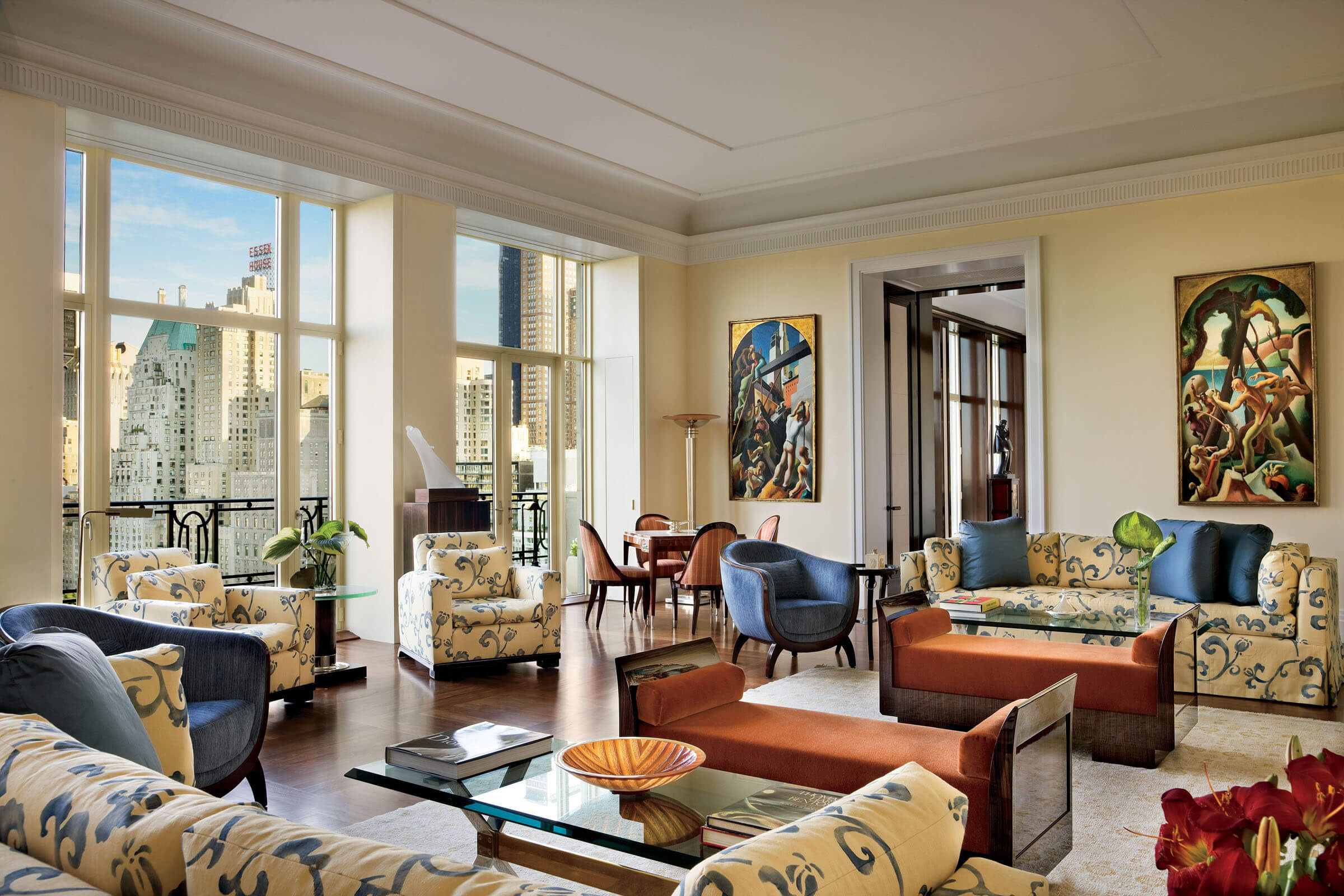


Selling off-market in Manhattan requires a different lens.
Buyers here are often:
-
Hedge fund principals
-
International families seeking pieds-à-terre
-
Private equity executives
-
Global investors
-
Ultra-high-net-worth individuals relocating for business
Inventory in Manhattan fluctuates with economic cycles. In strong markets, off-market listings can command exceptional prices. In slower cycles, lack of exposure can limit competitive tension.
Off-Market Strategy in Manhattan
-
Target Specific Buyer Profiles
In Manhattan, certain buildings and neighborhoods attract distinct demographics. Tailor outreach accordingly. -
Use Building-Level Intelligence
Top brokers often know who in the building or neighborhood is looking to upgrade. -
Protect Board Sensitivities
Co-op boards or high-profile condo buildings may prefer discreet transactions. Off-market can preserve goodwill and minimize disruption.
Step 1: Price Strategically (Without Public Testing)
The greatest risk in off-market sales is mispricing.
Public listings allow you to “test the market.” Off-market does not.
To avoid undervaluing your property:
-
Commission a confidential comparative market analysis
-
Analyze private recent sales
-
Review buyer demand trends in your submarket
-
Assess global capital flows (especially relevant in Manhattan)
Luxury buyers are sophisticated. Overpricing privately can cause silent rejection. Underpricing leaves money on the table.
The solution? Price slightly above fair market value but justify it with narrative and data.
Step 2: Elevate Presentation Beyond MLS Standards
Off-market does not mean off-brand.
In fact, presentation must be stronger because you cannot rely on broad visibility to compensate.
Essential components:
-
Architectural photography
-
Cinematic video (shared privately)
-
Detailed offering memorandum
-
Discreet property website (non-indexed)
-
Professional staging (if vacant)
Luxury buyers expect a world-class presentation—whether or not it’s publicly visible.
Step 3: Control the Narrative
Luxury homes sell on story.
Was the home designed by a notable architect?
Has it hosted prominent gatherings?
Does it feature rare materials or craftsmanship?
Even if you are not a celebrity, your home likely has a compelling angle—location history, design pedigree, land rarity, or renovation quality.
In off-market settings, your broker becomes the storyteller. Ensure the narrative aligns with the value you seek.
Step 4: Vet Buyers Thoroughly
One advantage of off-market sales is pre-qualification.
Insist on:
-
Proof of funds
-
Verification of purchasing entity
-
NDA execution
-
Clear timeline expectations
Time is money at the luxury level. Avoid unqualified curiosity.
In both Beverly Hills and Manhattan, serious buyers are accustomed to confidentiality protocols.
Step 5: Create Competitive Pressure Privately
Without MLS exposure, how do you create bidding dynamics?
You can:
-
Present to multiple qualified buyers simultaneously
-
Set a structured offer deadline
-
Quietly communicate “strong interest” when legitimate
-
Use escalation clauses strategically
Competition is psychological. Even discreet markets can produce multiple-offer situations when managed correctly.
Step 6: Choose the Right Broker (Not Just the Most Visible)
In ultra-luxury markets, the broker matters more than the platform.
Look for:
-
Proven off-market transaction history
-
Deep relationships with top-tier agents
-
Direct access to high-net-worth clients
-
International referral networks
-
Discretion track record
In Beverly Hills, connections within entertainment and tech circles are invaluable.
In Manhattan, relationships with wealth managers, family offices, and building boards are crucial.
Your broker’s personal credibility can directly impact perceived value.
Step 7: Protect Leverage in Negotiation
Luxury negotiations are nuanced.
Common pitfalls include:
-
Over-sharing motivation
-
Revealing timeline pressure
-
Accepting first serious offer too quickly
-
Making emotional concessions
Keep in mind:
-
Confidentiality increases perceived exclusivity
-
Exclusivity increases perceived scarcity
-
Scarcity protects pricing power
Maintain optionality. If negotiations stall, you can still pivot to a public listing with no visible price history.
Step 8: Understand Timing and Market Cycles
Beverly Hills and Manhattan do not move in perfect sync.
-
Beverly Hills can be influenced by entertainment industry liquidity and global capital.
-
Manhattan often correlates with financial markets and Wall Street bonuses.
Selling off-market during a strong liquidity period can yield exceptional outcomes. During slower cycles, broader exposure may become necessary.
Study recent trophy sales and absorption rates in your specific price bracket.
Step 9: Know When to Go Public
Off-market is a strategy—not a permanent state.
If after a defined period (e.g., 30–60 days) you see:
-
Limited serious engagement
-
Low offer confidence
-
Buyer hesitation around pricing
It may be time to transition publicly.
The advantage? You enter the market fresh—without prior visible price reductions.
Common Mistakes That Reduce Value
-
Letting one buyer control the timeline
-
Failing to prepare the property because “it’s private”
-
Using a broker without elite connections
-
Pricing based on ego rather than data
-
Neglecting international buyer outreach
In markets like Beverly Hills and Manhattan, global demand can represent a significant portion of luxury transactions.
Why Off-Market Sales Can Command Premiums
When executed properly, off-market listings can:
-
Signal exclusivity
-
Attract serious buyers only
-
Reduce price-shopping comparisons
-
Protect privacy (which is valuable in itself)
-
Prevent public “staleness” metrics
For ultra-high-net-worth individuals, privacy alone can justify premium pricing.
Final Thoughts: Selling Quietly Without Selling Short
An off-market sale in Beverly Hills or Manhattan is not about secrecy for its own sake. It’s about control, positioning, and strategic exposure.
Luxury real estate at this level is less about square footage and more about:
-
Access
-
Status
-
Narrative
-
Scarcity
-
Timing
-
Relationships
If you approach the process methodically—pricing intelligently, presenting impeccably, and leveraging elite networks—you can protect and even enhance value without ever going public.
The most successful off-market sales are not accidents. They are carefully orchestrated campaigns executed behind closed doors.
For luxury homeowners, discretion and value do not have to be opposing forces. With the right strategy, they can work hand in hand. Sell your home for the best value with Alejandro Hernandez Real Estate | Beverly Hills & New York Probate and Luxury Realtor.